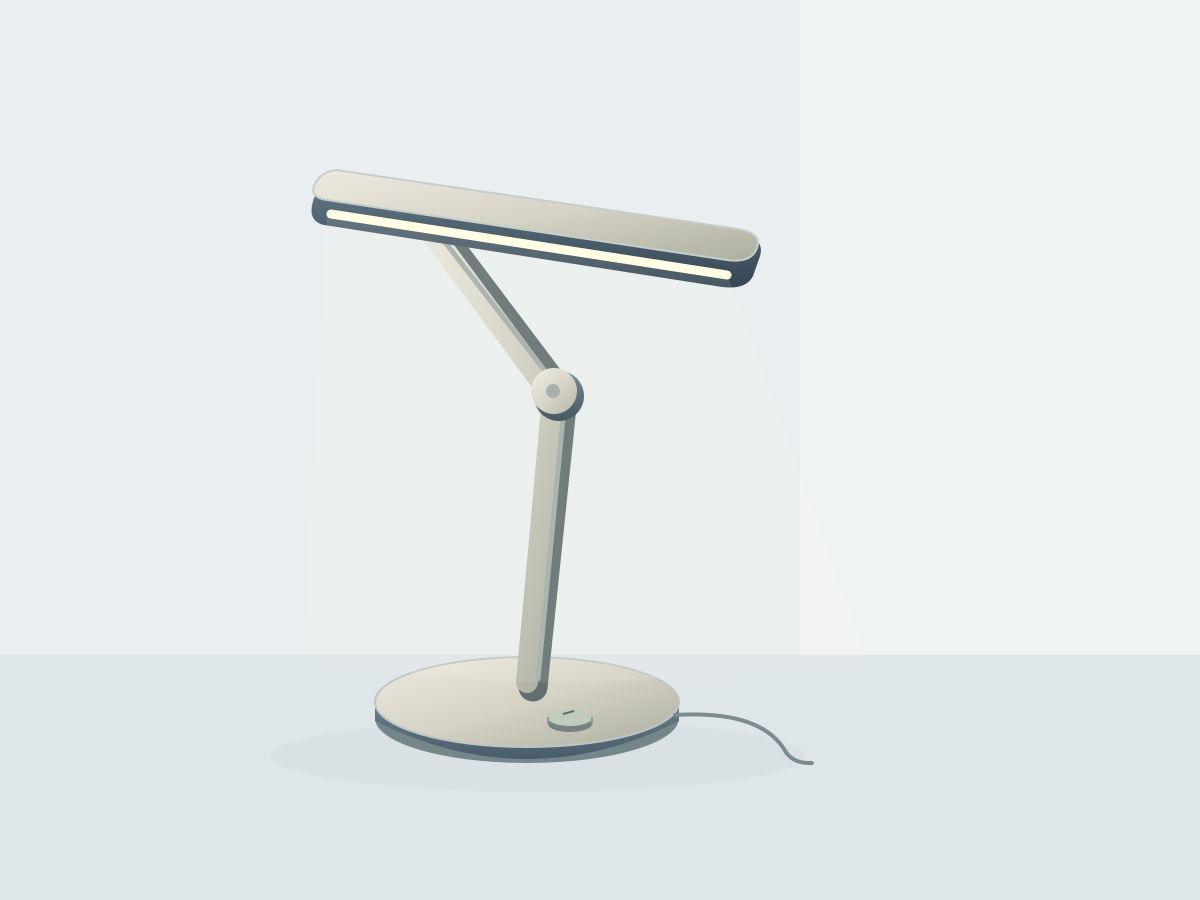
A desk light is usually shown against a simple background. In use it sits beside a screen, under ceiling lights and near materials that reflect light differently. A good sample review recreates those relationships so the team can judge placement and controls as well as appearance.
Choose a representative task
Use the kind of work the space actually supports: reading paper, drawing, inspecting a material or moving between a screen and notes. Keep the work surface and the surrounding light consistent when comparing samples. Record the position of the lamp so that the review can be repeated.
Check the view from the seat
Move through the range of normal seated positions and look for direct views of the light source or reflections that interfere with the task. Adjust the arm and head, then check that the proposed arrangement leaves room for other objects. A lamp with a wide movement range still needs a sensible place on the desk.
Try the controls without instructions
Ask how a new user will switch the lamp on, change brightness and leave the desk. Shared spaces benefit from a clear control state and an agreed response after power interruption. If different modes exist, their purpose should be easy to recognise.
Keep measurements tied to conditions
Any proposed output or power figure should be supported by product data with its measurement conditions. The Beam light is an original fictional concept; it illustrates the review process without claiming tested optical or electrical performance.