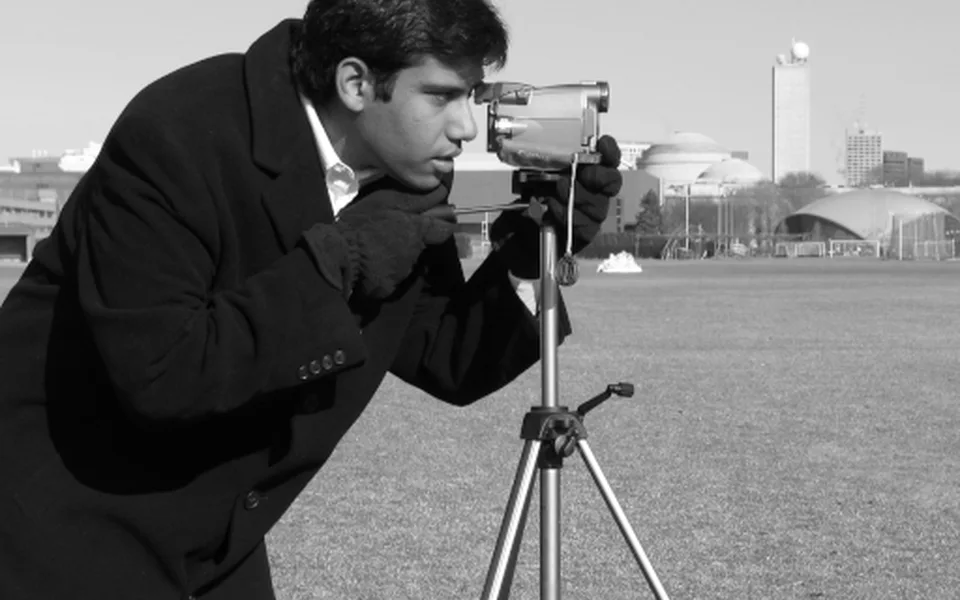
A camera, a chair or a cup can become familiar through use. An exercise in noticing the details that make an object worth keeping.
Start with the way it is used
Imagine a desk with a well-used camera, a notebook and a chipped ceramic cup. None of them is presented as the perfect purchase. Each has stayed because its owner knows how it behaves. The camera can be carried with one hand; the notebook opens flat; the cup fits a small shelf. Familiarity is not a specification, but it is a useful part of this imaginary inventory.
Read the small details
Look at the places where hands meet an object: a handle, a switch, a hinge or the edge of a page. In this exercise, note what feels intuitive and what needs an explanation. Avoid assigning a universal score. An object that works on this desk may be wrong for someone who works standing up, shares a table or packs everything away each evening.
Keep a useful record
Photograph the object in use rather than against an empty background. Add a sentence about what it does well and one about the compromise it asks for. A record like this makes a more interesting starting point for a design discussion than a list of finishes alone.
Try the idea in your own setting
This is an original demonstration editorial, written to show how an article can combine a clear introduction, practical questions and a measured conclusion. Adapt the exercise to your own circumstances. Keep a brief note about what you changed, what you observed and what you would check before drawing a wider conclusion. The illustrative photograph is not documentation of the scene described here.